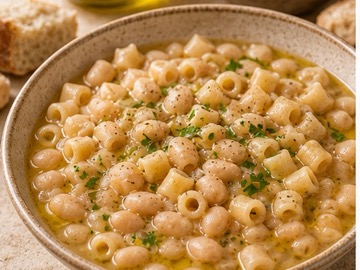
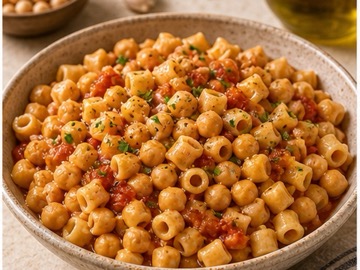
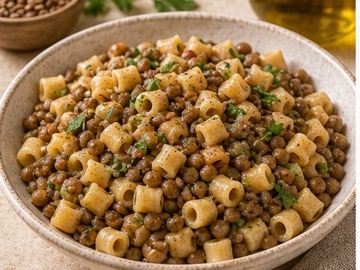
Pettole e Fagioli
The Hearty Soul of Campania
A creamy, rustic pasta and bean dish from the Neapolitan countryside. The pettole are not fritters — they are homemade eggless pasta, rolled thick and cut into irregular strips, cooked directly in the bean sauce until everything becomes one dense, creamy, inseparable thing. A must try. A dish born from poverty but rich in tradition.
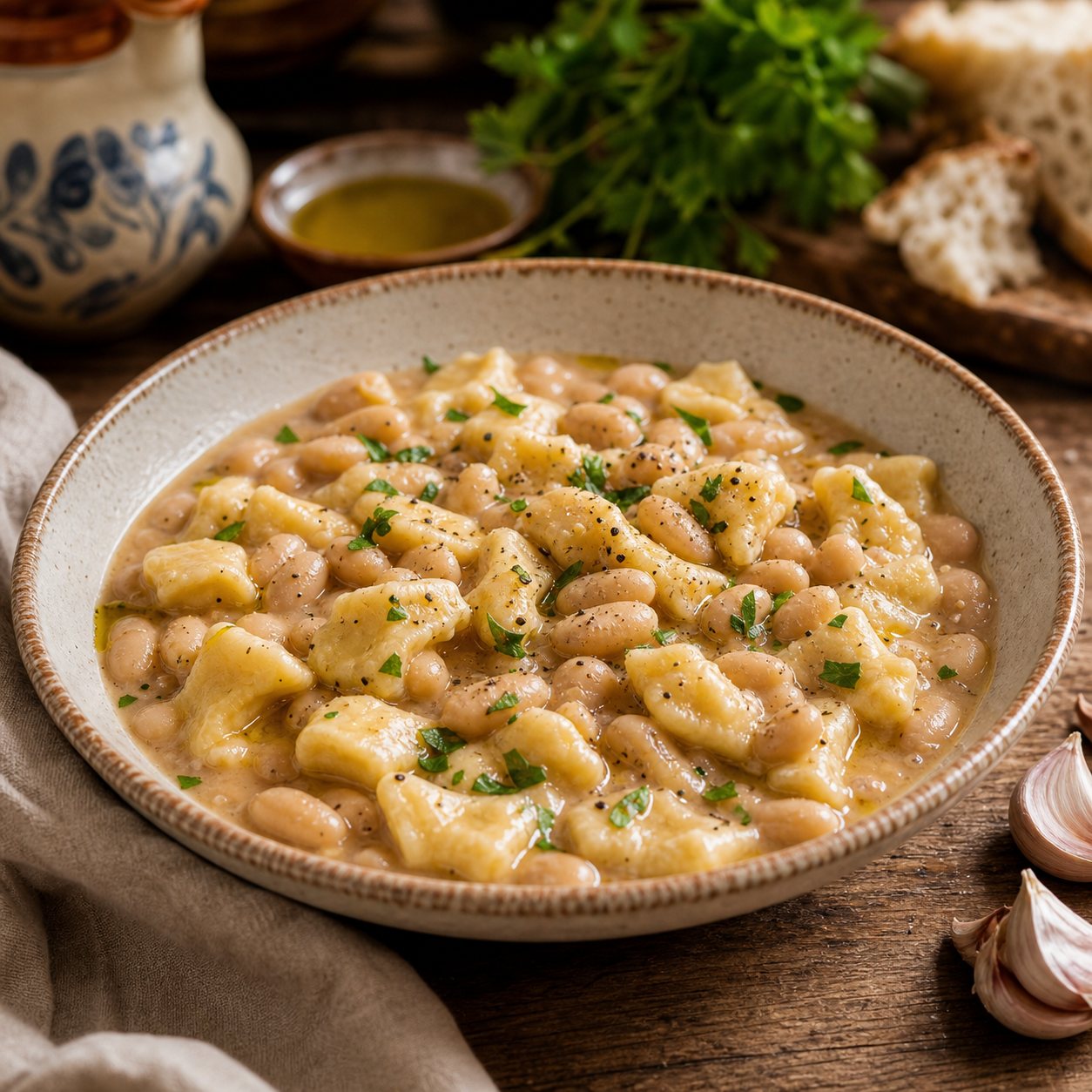
This dish was mentioned earlier in this collection in the pasta fatta in casa post as belonging to a different conversation — and here it is, in its own post. The pettole e fagioli, also known as pettule e fasule in the Neapolitan dialect, is pasta e fagioli made with a specific handmade pasta rather than the dried short pasta most versions use. The pettole are made without eggs — just flour, semolina, water, oil, and salt — rolled to about 2 mm thick and cut into irregular diamonds or wide strips, not precisely, which is part of the point. The irregular shapes catch the bean sauce differently from uniform dried pasta and the whole preparation has a rusticity that you cannot achieve with a factory product.
The beans are cannellini or the small Neapolitan tondini beans — cooked from dry if you have time, or from a can with their liquid if you don't. The tomato sauce built around them is simple: garlic, celery, crushed peeled tomatoes, a little chili if you like. The pasta goes directly into the simmering bean sauce and finishes cooking there, absorbing everything around it and releasing its starch into the pot. This is the azzeccatura — the moment when pasta, beans, and sauce become one creamy, thick, unified thing that is the whole point of the dish.
The trattoria tradition: This is a dish you order in a traditional Neapolitan trattoria — not in a refined restaurant, but in the kind of place with paper tablecloths and a handwritten menu and food that has been made the same way for decades. And there is a specific tradition around it: in some trattorie, when you order the pasta e fagioli or the pettole e fagioli, it arrives after the rest of the meal — as a final course, something heavy and dense and satisfying served when everything else is done. This ordering of the courses is the inverse of what you would expect, and it is one of those specifically Neapolitan customs that makes no immediate sense until you have eaten it that way and understood that sometimes the most comforting thing arrives at the very end, when you thought the meal was already finished.
The secret of the dish
L'Azzeccatura — when everything becomes one
The azzeccatura is the moment — and the condition — when the pasta finishes cooking directly in the bean sauce, absorbing all its flavors and releasing starch that thickens the surrounding liquid into something creamy, dense, and flowing. The word comes from the Neapolitan dialect and means something like "sticking together" or "binding." The dish is done when it is thick enough to flow slowly, not soup and not solid, coating the back of a spoon heavily. Too thin: the pasta has not released enough starch or needs more time. Too thick: add a ladle of hot water and stir. The correct consistency is exactly the all'onda of the risotto — flowing like a slow wave when the pot is tilted. This is what you are working toward.
A dish born from poverty, but rich in tradition. The pettole were made because they required no eggs — flour, water, oil. The beans were dried and stored from the previous season. The tomato was from the preserved summer jars. The whole preparation cost almost nothing and produced something that is, in the right moment, the most satisfying thing the Campanian kitchen offers.
Why eggless pasta in beans — and what makes the azzeccatura happen
The pettole are made without eggs specifically because this dish comes from a tradition where eggs were either expensive or reserved for other preparations. The eggless dough — flour, semolina, water, oil — produces a pasta with more surface starch and a slightly coarser texture than egg pasta. This matters for the azzeccatura: the surface starch on the pettole dissolves more readily into the bean cooking liquid than the egg-enriched surface of egg pasta would, thickening the pot more efficiently as the pasta finishes cooking. The starch released is primarily amylose and amylopectin from the wheat; as these dissolve and gelatinize in the hot liquid, they create the characteristic viscous, creamy consistency of a well-made pasta e fagioli.
The beans contribute a second thickening mechanism: some of the beans break down during cooking and their starch and protein enter the surrounding liquid, adding body independently of the pasta starch. Cooking the beans with their liquid (rather than draining and rinsing canned beans) preserves this dissolved starch and contributes significantly to the final creaminess. Using a terracotta pot, as the infographic recommends, provides slower, more even heat distribution that allows the starch to gelatinize uniformly without hot spots that would cause sticking. The five-minute rest covered before serving allows the emulsion to settle into the correct consistency — removed from the heat immediately, it is slightly too loose; after five minutes it reaches the correct density.
The recipe — serves 4
For the pettole — eggless fresh pasta
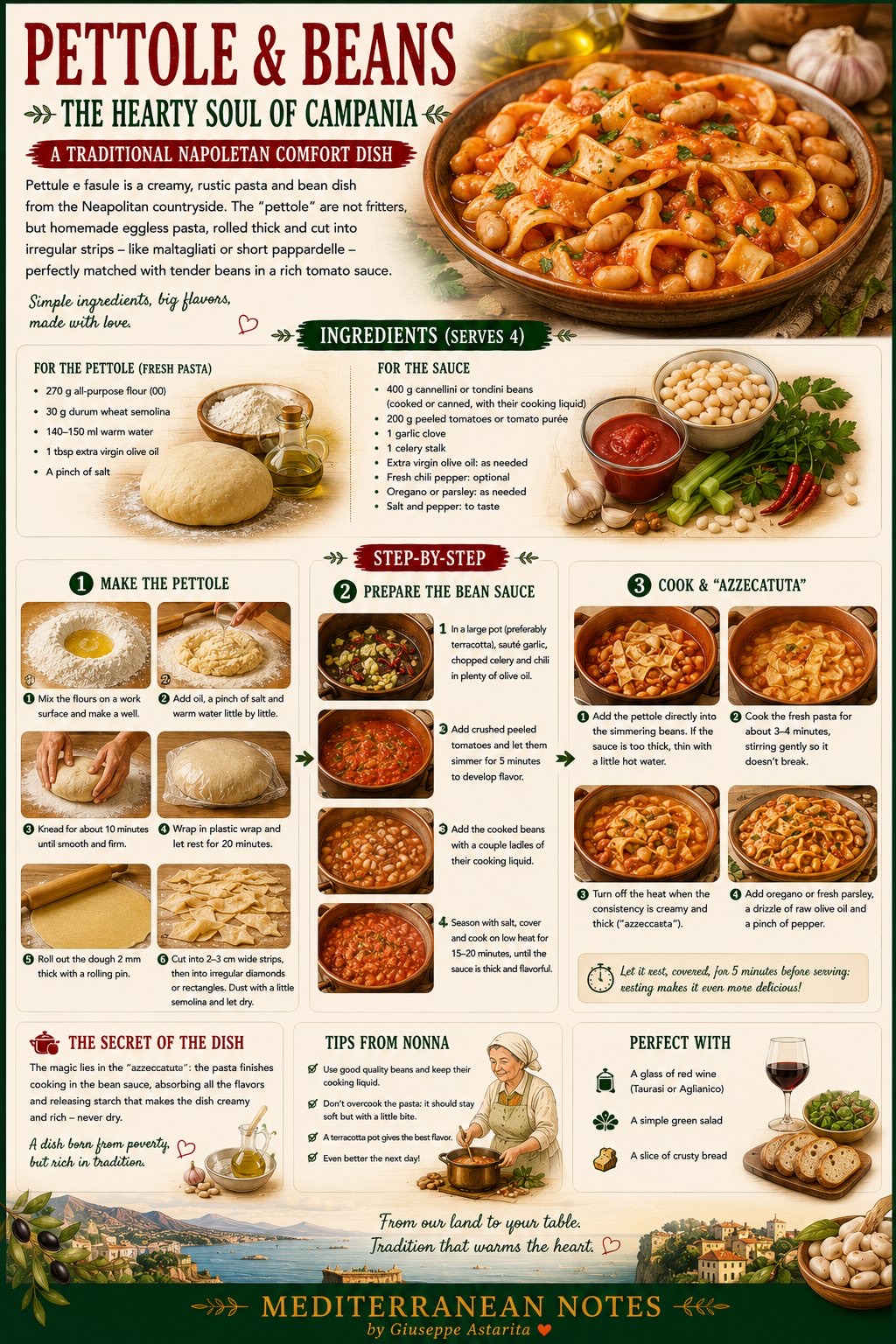
Pettole e fagioli — dal nostro territorio alla vostra tavola. Click to enlarge.
270 gAll-purpose flour (00)
30 gDurum wheat semolina
140–150 ml, warmWater
1 tbspExtra-virgin olive oil
pinchSalt
For the bean sauce
400 g, with their liquidCannellini or tondini beans (cooked or canned)
200 gPeeled tomatoes or tomato purée
1 cloveGarlic
1 stalk, choppedCelery
optionalFresh chili or dried chili flakes
generousExtra-virgin olive oil — a drizzle raw at the end
to tasteSalt, black pepper, oregano or fresh parsley
1
Make the pettole: combine the flours on a work surface, make a well, add the oil, salt, and warm water a little at a time. Knead for about 10 minutes until smooth and firm. Wrap in plastic and rest for 20 minutes. Roll to about 2 mm thick with a rolling pin. Cut into irregular diamonds or wide strips of 2–3 cm. Dust with a little semolina and let dry slightly while you make the sauce.
Irregular is correct. These are not refined pasta shapes — they are rustic, thick, uneven. That is the character of the dish.
2
In a large pot (terracotta if available), heat a generous pour of olive oil. Sauté the garlic, chopped celery, and chili over medium heat until golden. Add the crushed peeled tomatoes and simmer for 5 minutes to develop flavor. Add the cooked beans with their liquid. Season with salt. Cover and cook on low heat for 15–20 minutes until the sauce is thick and flavorful.
3
Add the pettole directly into the simmering bean sauce. Stir gently to prevent breaking. Cook for 3–4 minutes, stirring, until the pasta is soft but still with a little bite. If the sauce becomes too thick, add a splash of hot water. The dish is done when it reaches the azzeccatura consistency — creamy, dense, flowing slowly.
4
Turn off the heat. Add a generous drizzle of raw extra-virgin olive oil, oregano or fresh parsley, a pinch of black pepper. Cover and let rest for 5 minutes before serving. Serve in deep plates or bowls. With a slice of crusty bread. Better the next day — if there is any left.
The five-minute covered rest is the final step of the azzeccatura. Do not skip it. The dish will reach its correct density and the flavors will integrate. Serve immediately after the rest, not before.
This dish is one of the posts in the collection that this blog mentioned should be a different conversation — and here it is. The pettole e fagioli belongs to the deeper Campanian cucina povera tradition, alongside the finto ragù and the peperoni imbottiti and the pane nel sugo — preparations that emerged from constraint and that became, over generations, some of the most deeply satisfying things the kitchen produces. It is the kind of dish that does not photograph easily because its quality is in its texture and its warmth rather than its appearance. And it is the kind of dish that arrives at the end of a trattoria meal and makes you understand that you were not finished after all.
Tradizione che scalda il cuore —
tradition that warms the heart.