CoursesBasicsFirst CoursesSecond CoursesSides & VegetablesSoupsSaucesEggs & FrittatePizza & BreadBreakfastSnacksStreet FoodDesserts
DietVegetarianVegan
SeasonSpringSummerAutumnWinter
MainSeafoodMeatEggs
MoreCulture & TraditionsGlossaryAbout

La Cotoletta
Crispy Outside, Juicy Inside

A childhood staple — veal, pork, chicken, it did not matter which. Pounded thin, breaded, fried golden. Eaten with friarielli, with salad, or put straight inside a piece of bread. In the US they seem to make it only with chicken. That is a pity.
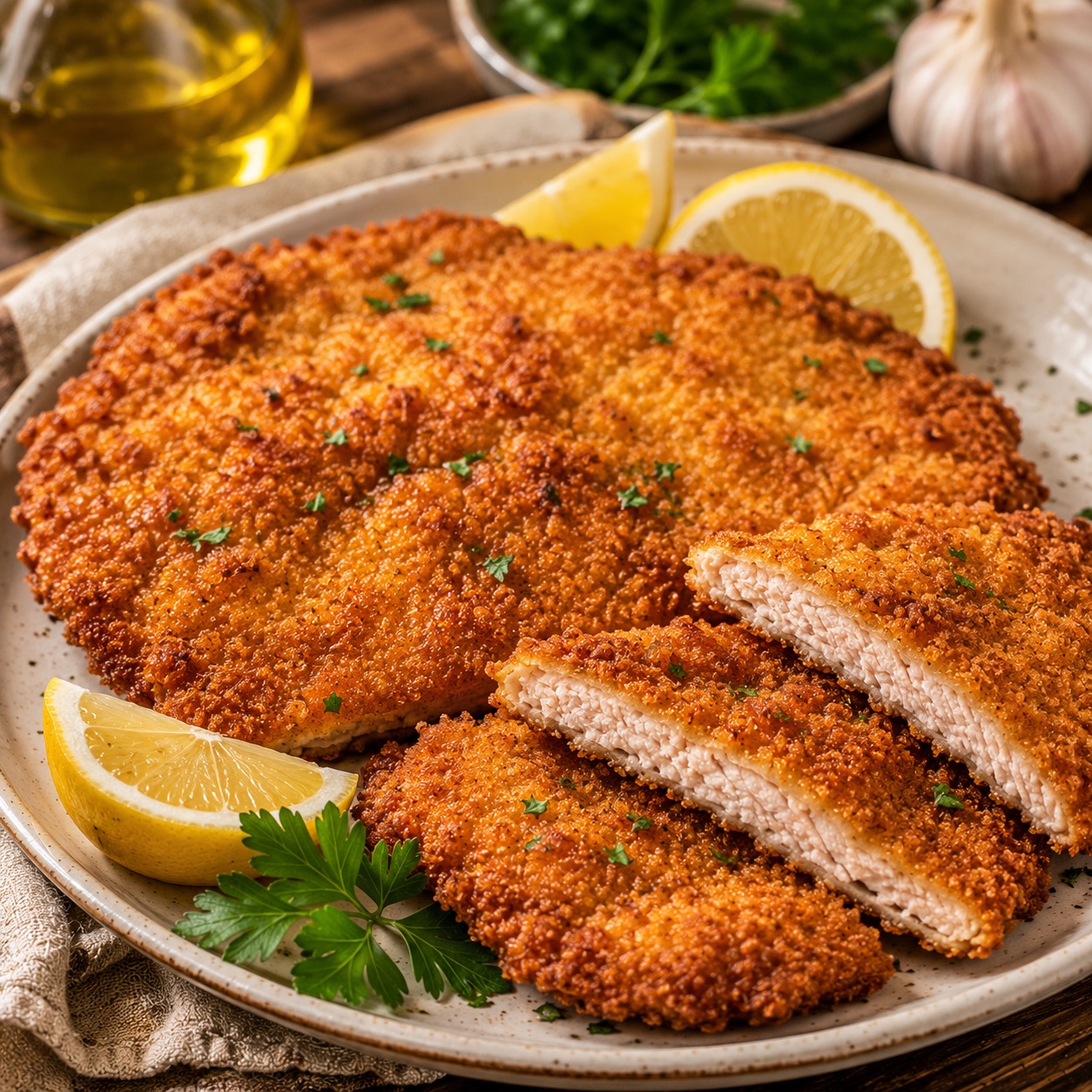
Cotoletta

The cotoletta was a regular feature of weeknight dinners growing up in Caserta, and one of the things I ate consistently as a child without ever finding it boring. Part of this was the simplicity — there is nothing complicated about a breaded cutlet, no sauce to monitor, no long cooking time — and part of it was the range of what it could become depending on what came alongside it. With friarielli, the bitter Neapolitan greens sautéed in garlic and oil, it was a complete dinner. With a simple green salad and a squeeze of lemon it was lighter. And then there was the version that required no plate at all: the cotoletta inside a piece of bread, eaten as a sandwich, which as a child I considered the best possible use of it.

In Italy the choice of meat for a cotoletta is genuinely open. Veal is the classic — thin slices of vitello, pounded flatter, with a delicate flavor that does not compete with the crispy breadcrumb crust. Pork loin works equally well and is what we used more often at home, partly because it was more available and less expensive than veal, and partly because pork's slight sweetness pairs very naturally with the egg and breadcrumb coating. Chicken breast is the least interesting of the three options, in my opinion — it is the driest and the blandest — but it is by far the most common choice in the United States, where the veal and pork versions seem to have been largely forgotten outside Italian-American communities. I find this surprising and slightly frustrating. A pork cotoletta fried in good oil is one of the more satisfying things you can eat on a Tuesday evening, and it takes twenty minutes from start to finish.

The sandwich version required nothing more than a piece of pane cafone, split open, the cotoletta placed inside still hot, a squeeze of lemon. The bread absorbed the oil from the crust. You ate it immediately. That was the point.

The technique has a fixed sequence and the sequence matters: flour first, to dry the surface of the meat and give the egg something to grip; then beaten egg seasoned with salt and pepper; then breadcrumbs, pressed gently by hand to make them adhere. Each stage depends on the previous one. Skip the flour and the egg slides off the meat. Press too hard and the crust compresses and loses its texture in the pan. The oil must be genuinely hot before the meat goes in — 175°C, which is the temperature at which a breadcrumb dropped in sizzles immediately and floats to the surface. Too cool and the crust absorbs oil rather than repelling it. Too hot and the outside burns before the inside cooks through.

My mother kept the cooked cutlets on a plate lined with paper towels while she finished the batch, and salted them just before serving rather than before frying — salt draws moisture out of the meat and softens the crust if you apply it too early. These small details accumulate. The difference between a cotoletta that is properly crispy all the way through and one that is soggy in the middle is usually the oil temperature and the timing of the salt, not the quality of the ingredients.


Why flour before egg — and what actually happens to a breadcrumb crust at 175°C

The three-stage breading sequence — flour, egg, breadcrumbs — is not arbitrary. Raw meat surfaces are moist, and moisture is the enemy of adhesion: egg and breadcrumbs applied directly to wet meat slide off during frying. The flour coating absorbs the surface moisture and creates a dry, slightly tacky layer to which the beaten egg adheres. The egg in turn acts as a binder and a glue for the breadcrumbs, holding them against the flour layer. When the breaded cutlet hits hot oil, the egg proteins coagulate rapidly and lock the breadcrumb layer in place before it has a chance to absorb oil and fall away.

At 175°C, the Maillard reaction proceeds rapidly in the breadcrumb layer: the amino acids from the egg protein and the sugars in the breadcrumbs react to produce hundreds of flavor compounds — nutty, toasty, slightly caramelized — in the seconds it takes the crust to turn golden. The same temperature creates a thin steam barrier between the meat and the crust: the moisture inside the meat vaporizes quickly and pushes outward, which keeps the crust from being fully saturated with oil and gives it the characteristic lightness of a well-fried cutlet. If the oil is too cool, this steam barrier does not form fast enough and the breadcrumbs absorb oil instead of repelling it, producing a heavy, greasy result. Oil temperature is the single most important variable in frying, and it drops every time you add cold meat to the pan — which is why you fry one or two cutlets at a time rather than crowding the pan.


The recipe — serves 4
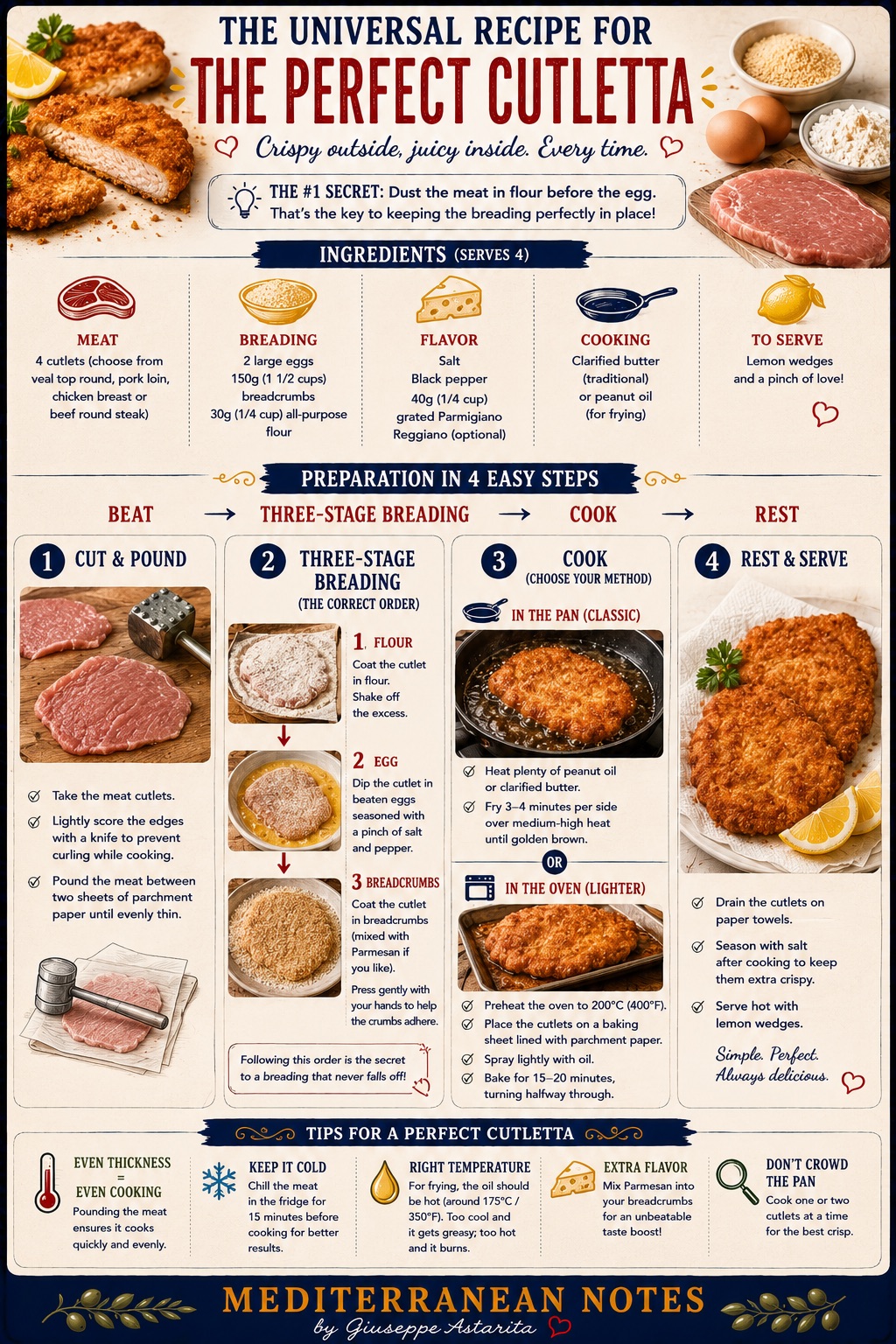
La Cotoletta — the perfect breaded cutlet infographic
La cotoletta perfetta — flour, egg, breadcrumbs, in that order. Click to enlarge.
4 cutlets Veal top round, pork loin, or chicken breast — your choice
2 large Eggs, beaten with a pinch of salt and pepper
150 g Fine breadcrumbs
30 g All-purpose flour
40 g — optional Parmigiano Reggiano, grated fine, mixed into the breadcrumbs
for frying Olive oil, peanut oil, or clarified butter — enough to come 1 cm up the pan
to serve Lemon wedges
after frying Flaky salt
1
Score the edges of each cutlet lightly with a knife — two or three small cuts around the perimeter — to prevent curling during frying. Place between two sheets of parchment paper and pound with a meat mallet until evenly thin, about 5–7 mm. Even thickness means even cooking.
Chill the pounded cutlets in the refrigerator for 15 minutes before breading. Cold meat holds its shape better under frying and the crust adheres more reliably.
2
Set up three shallow dishes in order: flour in the first, beaten egg (seasoned with salt and pepper) in the second, breadcrumbs (mixed with Parmigiano if using) in the third. Coat each cutlet in flour and shake off every trace of excess. Dip in the egg, letting it drain. Press firmly into the breadcrumbs on both sides — use your palms to press the crumbs gently in. Do not press so hard you compact the crust.
Flour → egg → breadcrumbs. This order is not optional. Reverse it or skip the flour and the breading will not stay on in the pan.
3
Heat the oil in a large heavy pan over medium-high heat until it reaches 175°C. Test by dropping in a few breadcrumbs — they should sizzle immediately and float to the surface. Fry one or two cutlets at a time — never crowd the pan. Cook 3–4 minutes per side until deep golden all over. Do not press down on the cutlets while they fry.
The temperature drops every time you add cold meat. Let the oil return to temperature between batches before adding the next cutlet. A crowded pan means a steamed cutlet, not a fried one.
4
Transfer to a plate lined with paper towels. Season with flaky salt immediately after coming out of the oil — not before, which draws moisture into the crust. Serve hot with lemon wedges. Squeeze the lemon at the table, not in the kitchen.
The three ways to eat it — and one of them requires no plate
With friarielli: the classic Neapolitan pairing. The bitterness of the sautéed greens cuts through the richness of the fried crust in exactly the right way. The friarielli should be cooked separately — garlic, oil, dried chili, wilted down with a little water — and served alongside, not under the cotoletta, which would soften the crust.

With salad: a simple green salad dressed only with olive oil, lemon, and salt. Nothing that would compete with the crust. The cotoletta and the salad are eaten together on the same plate, the crust staying dry on one side while the salad stays dressed on the other.

In bread: the cotoletta placed inside a split piece of pane cafone while still hot. A squeeze of lemon inside the bread. Eaten immediately, standing up if necessary. The bread absorbs the oil from the crust and becomes part of the dish. This version requires no knife, no fork, and no apology.

On the choice of meat — and the American gap

Veal — the classic
Thin slices of veal top round, pounded very flat. The most delicate flavor of the three options — the meat barely asserts itself and the crust is everything. The Milanese version (bone-in, cooked in clarified butter) is the most famous, but the Neapolitan version is boneless and fried in oil. Both are correct in their respective contexts.
Pork loin — the everyday version
What we used most often at home. Pork loin sliced thin and pounded has a slight natural sweetness that works well with the egg-and-breadcrumb crust, and it is more forgiving than veal in terms of cooking time — slightly more fat means it stays juicy even if the timing is not perfect. Widely available, inexpensive, entirely underrated in the US as a cotoletta meat.
Chicken breast — the American default
The driest and most neutral of the three options. Works well when properly pounded to even thickness and when the oil is genuinely hot, so the crust forms quickly before the breast dries out. Adding Parmigiano to the breadcrumbs helps compensate for the lack of fat. Not my preference, but entirely respectable when made correctly.
With Parmigiano in the crust
Grating 40 g of Parmigiano Reggiano directly into the breadcrumbs adds a nutty, slightly salty layer to the crust that works especially well with veal and pork. The cheese browns faster than plain breadcrumbs, so watch the heat. For chicken, where the meat flavor is mild, the Parmigiano is particularly worth including.
Napoletana, Milanese, Viennese — and why an ugly cotoletta is often the good one
The cotoletta alla milanese was certainly not invented in Naples, and Neapolitan cooks did not leave it unmodified. The most obvious change is frying it in oil instead of butter, which makes it noticeably thinner and crisper than the original. The result actually resembles the Viennese schnitzel more than it resembles a true Milanese — though it is crunchier than either, and despite its modest appearance, that appearance is not a flaw. A properly fried cotoletta napoletana comes out of the pan a little wavy and curled at the edges rather than perfectly flat — ondulata e accartocciata, as the old recipe puts it — and that unevenness is exactly what you want to see. A cotoletta that stays flat and smooth from edge to edge was usually pressed down too hard in the pan, which produces a denser, greasier crust. The wrinkled, imperfect-looking one is, nine times out of ten, the better-cooked one.

The cotoletta is not a complicated dish and it does not pretend to be. It is a piece of meat, made as good as a piece of meat can be with flour, egg, oil, and heat. The technique is old and the principles do not change. What changes is which meat you use and what you eat alongside it, and the sandwich version needs no accompaniment at all.

Buon appetito — e provate quella di maiale.
More from Secondi
Roast beef della domenica
Il Roast Beef della Domenica
The Sunday roast beef.
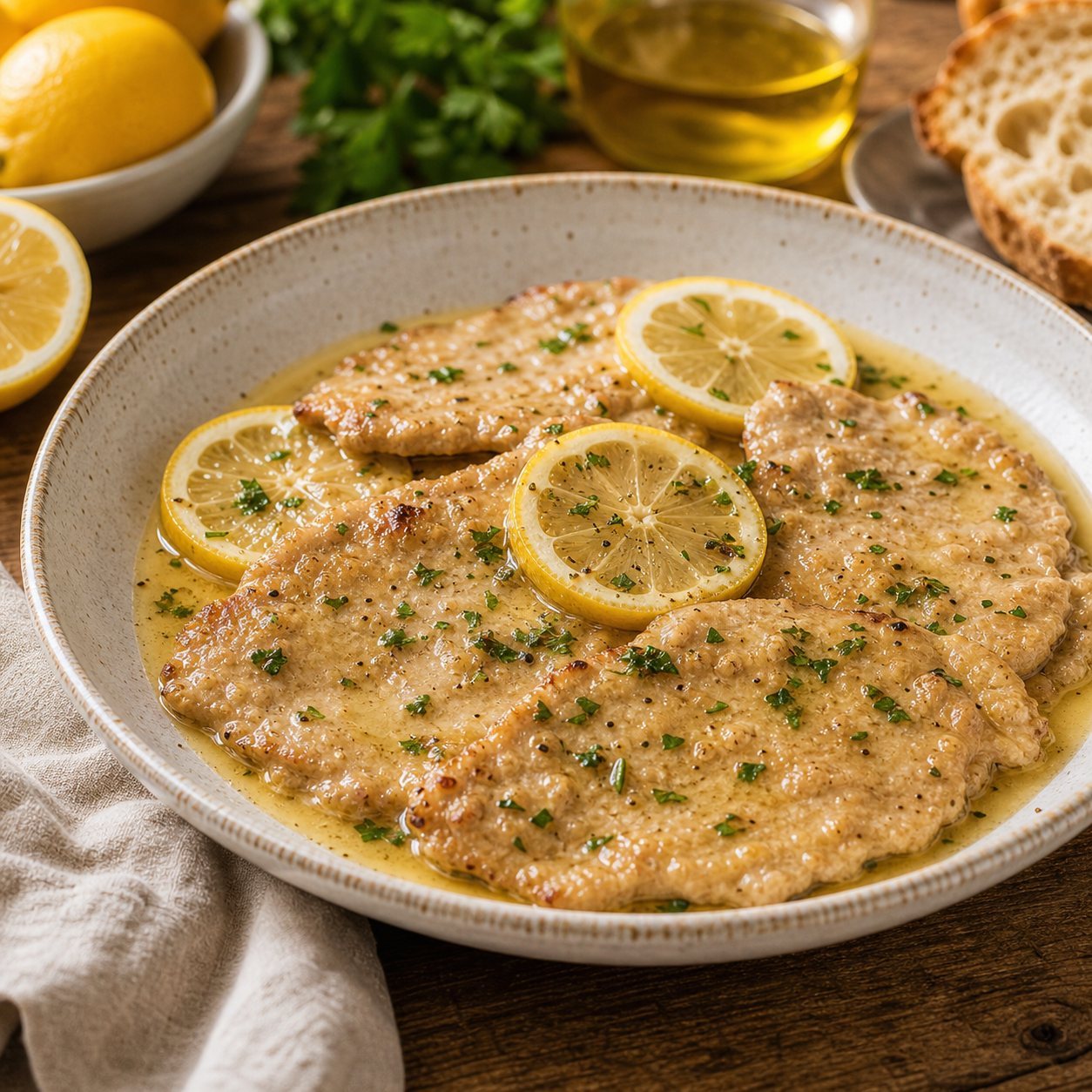
Scaloppine al limone
Thin veal in a bright lemon pan sauce.
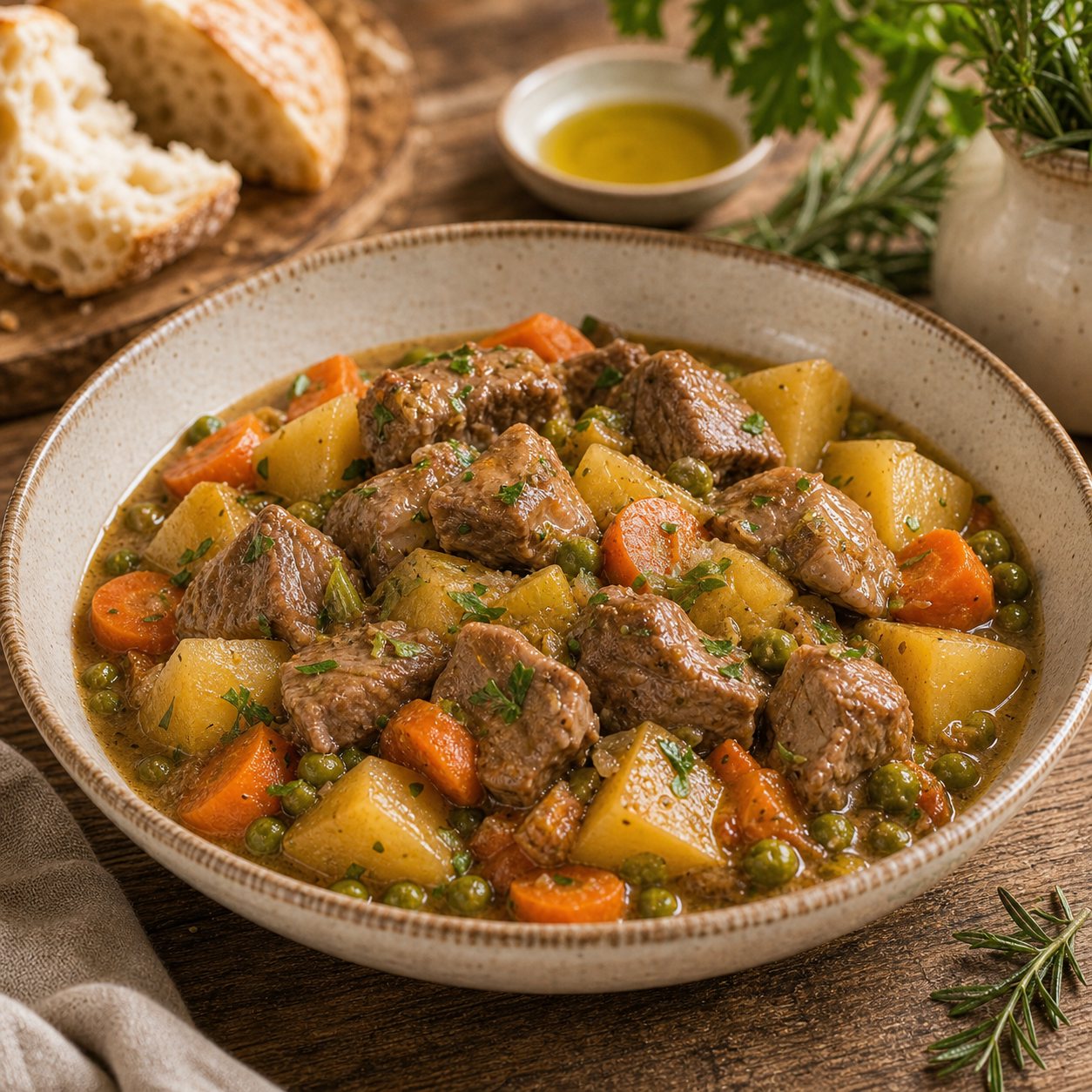
Spezzatino di vitello
Veal stew with potatoes.