Typical Holiday Cakes and Pastry
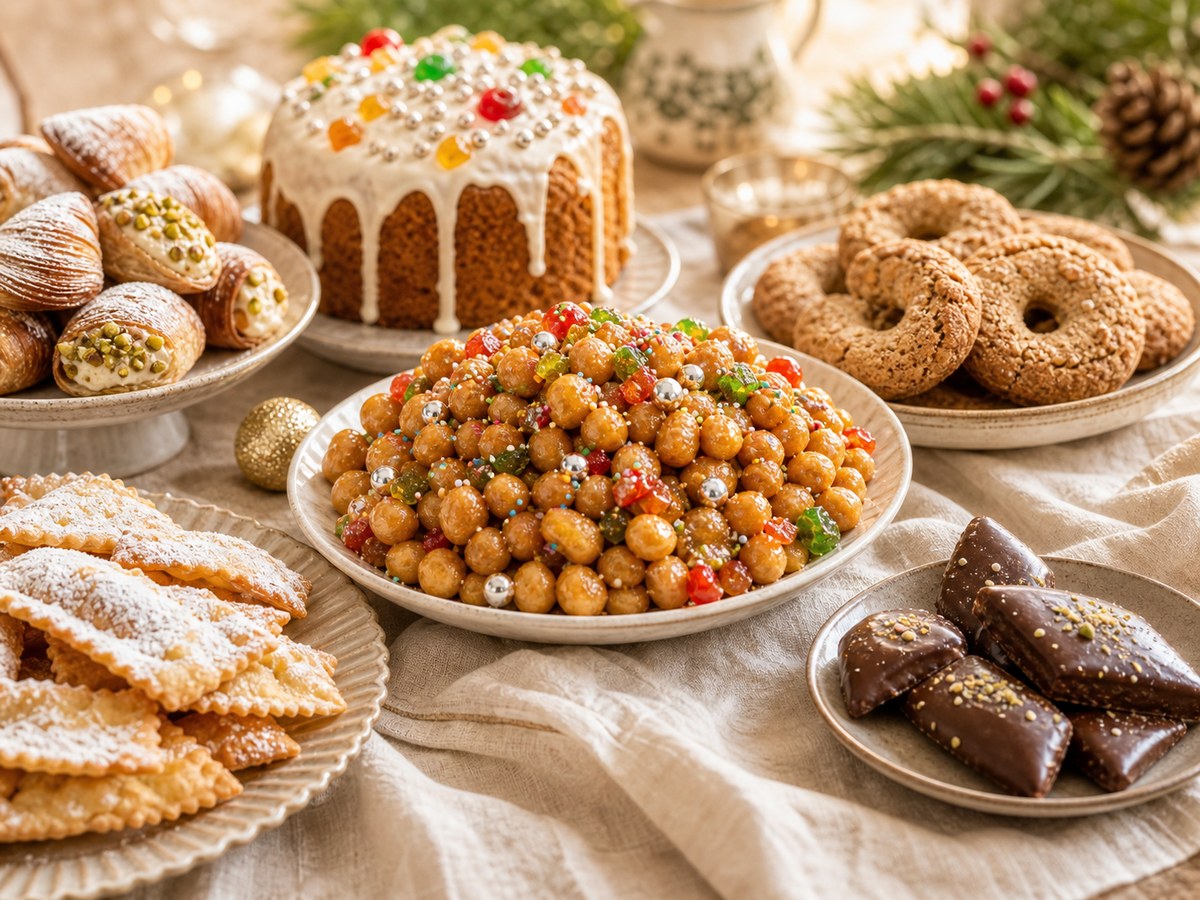
A guide to traditional Neapolitan and Italian holiday pastries across Christmas, Carnival, Easter, and summer.
Ingredients
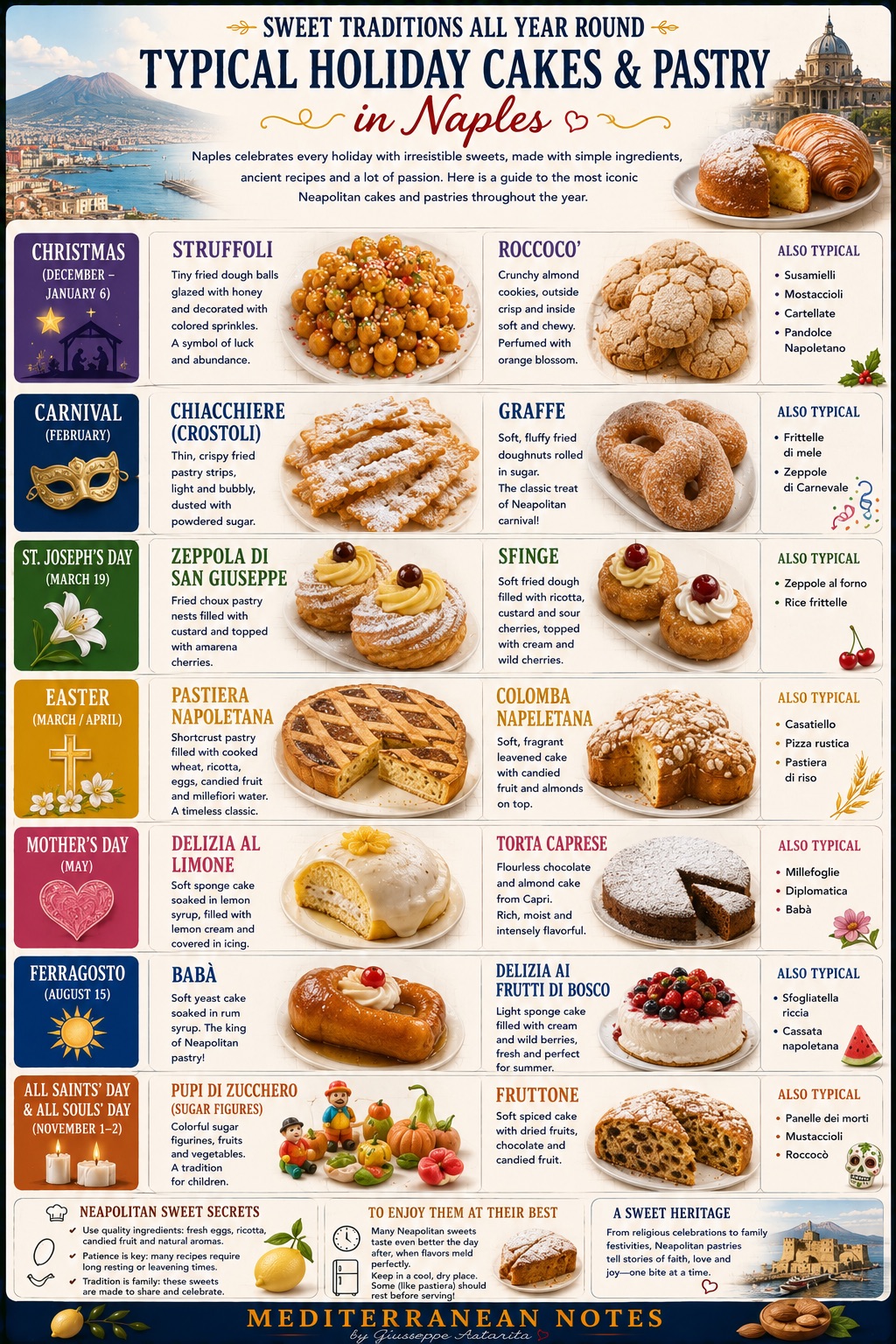
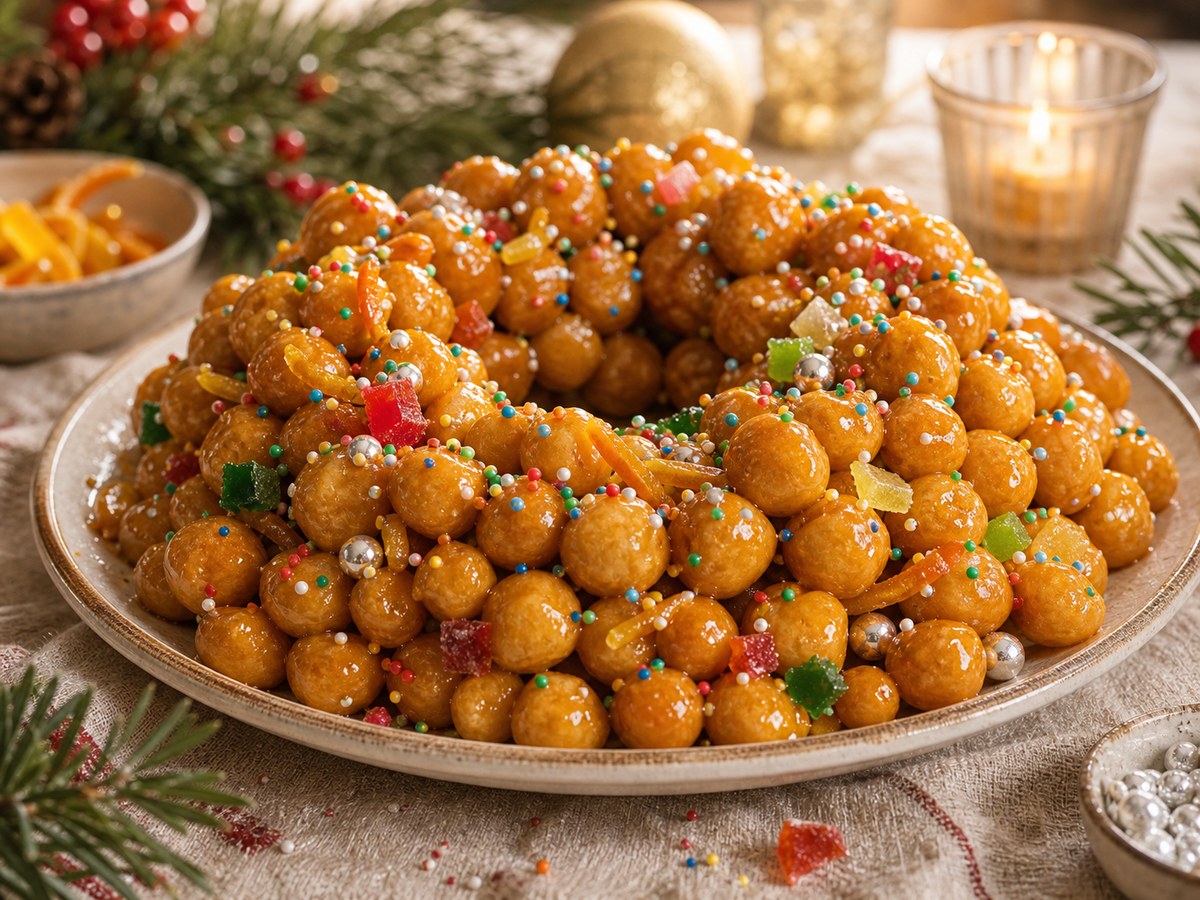
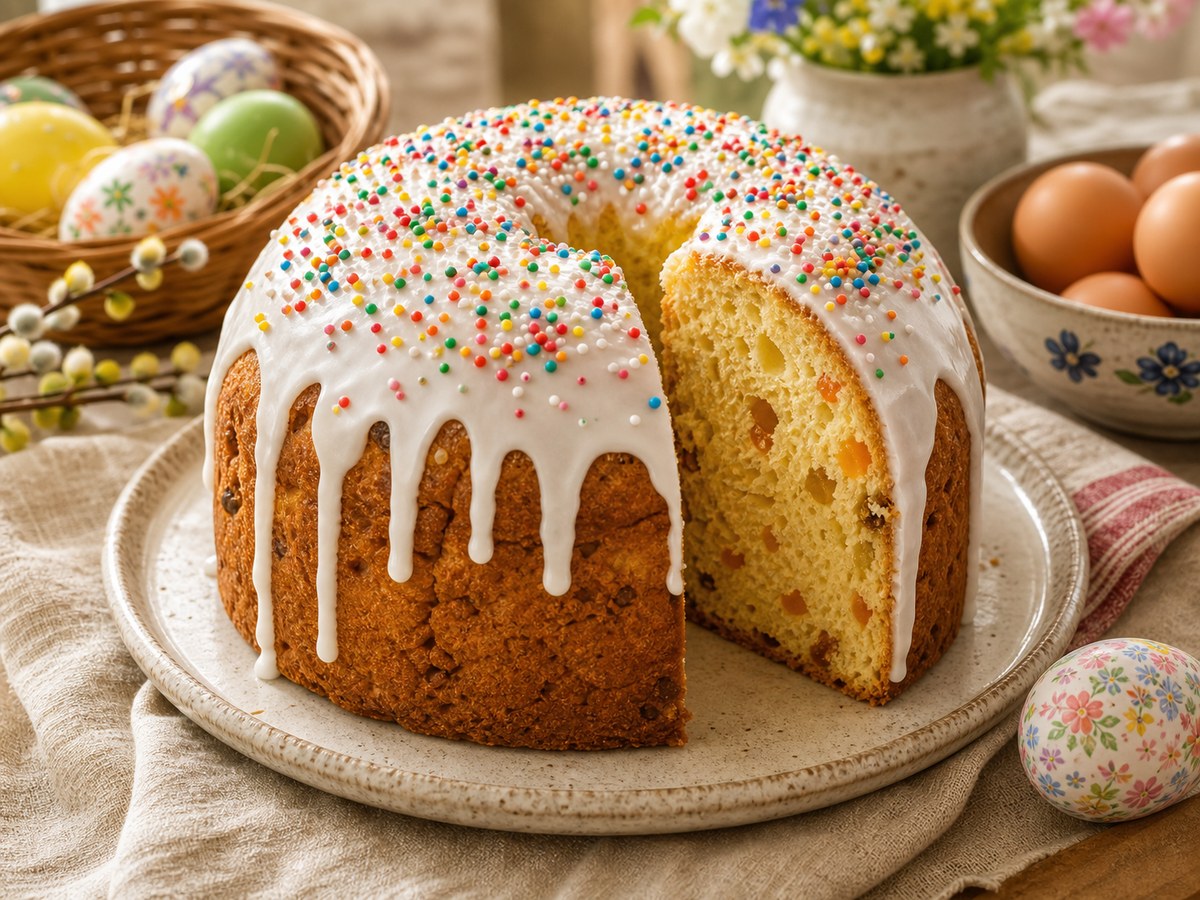
The pastiera in our house was always my Zia Ada's responsibility, not my mother's. My mother made everything else — struffoli at Christmas, chiacchiere at Carnival, roccocò in December, the zeppole di San Giuseppe in March — but the pastiera she left to her sister. I don't know exactly why. Maybe it was a family division that had settled before I was old enough to ask about it. What I know is that the pastiera arrived on Easter Saturday in a round aluminum pan wrapped in foil, carried by my aunt, and it was always better than any we could have bought.
The Neapolitan calendar of sweets maps precisely onto the church calendar, and this was never a coincidence. Every feast had its food, and the food was as obligatory as attendance. To not make struffoli at Christmas was to not have Christmas — a statement that in a Neapolitan household carried real weight. The pasticcerie maintained the same calendar. In the weeks before each feast the shop windows filled with the appropriate thing and nothing else. A pastiera in August was eccentric. In some places, a refusal.
The logic behind the system is also the logic of labor. Pastiera requires two days: one to soak and cook the grano, one to assemble and bake. Struffoli means an afternoon of frying small balls of dough in quantity, a task that goes faster with three people in the kitchen. The feast day gave the effort a reason. The preparation and the celebration were the same thing.
Grano cotto — pre-soaked and cooked wheat berries — is the ingredient that distinguishes pastiera from every other ricotta tart. The wheat is soaked for several days, then simmered until soft. In the filling, these cooked grains provide texture but also affect moisture balance: the starch granules have already gelatinized during cooking and absorb less liquid during baking, preventing the filling from becoming watery or collapsing. Ricotta contributes structure through its whey proteins, which coagulate during baking and set the filling into a sliceable but tender mass — similar to the role of egg proteins in a custard, but softer. The aromatic profile of the pastiera — orange blossom water, candied citron, cinnamon — is also chemically interesting: orange blossom water contains linalool and geraniol, volatile terpene alcohols that survive partial baking and are released on cutting. The pastiera traditionally improves over two days after baking as these compounds redistribute through the filling. This is why Zia Ada made it on Thursday for Easter Sunday.