Torta di Mele
La torta della colazione — the breakfast cake my father loved
My mother made this for breakfast. Not for special occasions — for ordinary mornings. My father loved it. We all loved it. The kitchen smelled of warm apple and cinnamon before anyone was properly awake, and that smell meant the day was starting well.
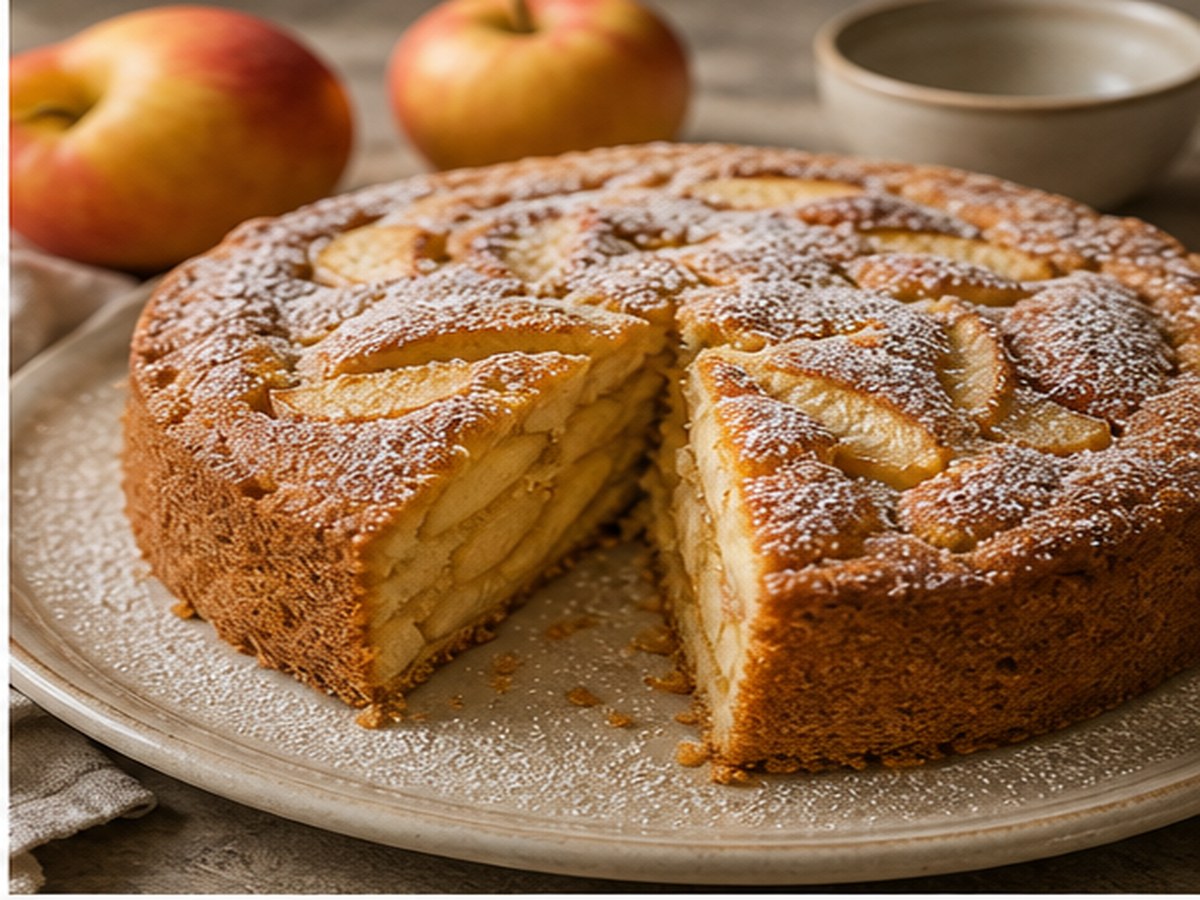
The torta di mele occupies a specific category in the Italian domestic baking tradition: the torta della colazione, the breakfast cake. Not a celebration cake, not a dessert for guests, not something plated with care and presented at the end of a meal. A cake that is baked in the morning and eaten at the table with coffee or milk, sliced without ceremony, finished by the end of the day or the following morning. It is the cake that belongs to daily life rather than to occasions, and this ordinariness is part of its character — it asks nothing of the moment it appears in, and is good in any of them.
My mother's version was simple in the Italian sense of that word: few ingredients, no unnecessary steps, a result that tasted like apple and like cinnamon and like a properly made simple cake rather than like the effort that went into it. She made it on Sunday mornings sometimes, and on weekday mornings when she felt like baking, which was not a rare impulse in her. The cake was in the oven before the rest of the family was properly up, and by the time we came to the kitchen the apartment smelled of it. My father ate it at breakfast with his coffee, and then sometimes again later in the day when he passed through the kitchen. He liked it the way he liked most of the things my mother made that were fruit-based and not too elaborate.
The Italian torta di mele differs from the English or American apple cake primarily in texture and ratio. The Italian version tends toward a soft, moist interior — achieved with yogurt or milk in the batter — with apple pieces distributed through the crumb rather than a thick layer on top. The cinnamon is present but not dominant; it is the fragrance of the cake rather than its identity. There is no elaborate icing or glaze, no pastry shell, no crumble topping. A little powdered sugar on the surface when it comes out of the oven, if anything. The cake is allowed to be what it is: a soft, apple-filled, lightly scented bake that improves slightly on the second day as the moisture equilibrates through the crumb.
The choice of apple matters in the way that it matters for any simple preparation where the main ingredient cannot hide behind complexity. A floury, mealy apple breaks down completely during baking and produces a dense, wet interior without identifiable apple pieces. A very crisp apple holds its shape but remains slightly raw-tasting against the cooked batter. The correct choice — Golden Delicious, Fuji, or a firm Rennet — holds its shape through the baking while softening to the right tenderness and releasing enough moisture into the surrounding batter to keep the crumb moist without becoming wet. My mother used whatever was available and of good quality. In Massachusetts I use Fuji or Honeycrisp. Both work well.
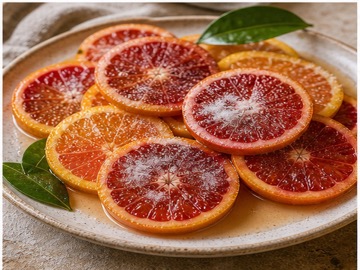
Yogurt in cake batter performs two functions. First, its acidity (lactic acid, pH around 4.5) reacts with any baking soda in the recipe to produce carbon dioxide bubbles, contributing to leavening. More importantly, the acid denatures some of the gluten proteins in the flour, weakening the gluten network and producing a more tender crumb than the same recipe without acid. Yogurt also adds fat and protein alongside water, which keeps the crumb moist for longer than a water-only batter. The apple pieces release water during baking through the same osmotic and structural processes that produce syrup in arance con lo zucchero — the cell walls of the apple break down under heat, releasing the water held in the fruit cells into the surrounding batter, which absorbs it and becomes slightly more moist than it would be otherwise. This is why a torta di mele is more forgiving of slight overbaking than a plain sponge cake — the apple provides a reservoir of moisture that compensates. Cinnamon's primary volatile compound is cinnamaldehyde, which at baking temperatures is present partly in the vapor phase inside the oven — which is why the kitchen smells of cinnamon strongly during baking — and partly incorporated into the cake structure. Cinnamaldehyde also reacts with the aldehydes produced by apple oxidation during baking to create new aroma compounds that are specific to the apple-cinnamon combination and that neither ingredient produces alone. This is the chemical basis for why apple and cinnamon taste correct together in a way that either tastes incomplete without the other.
La ricetta
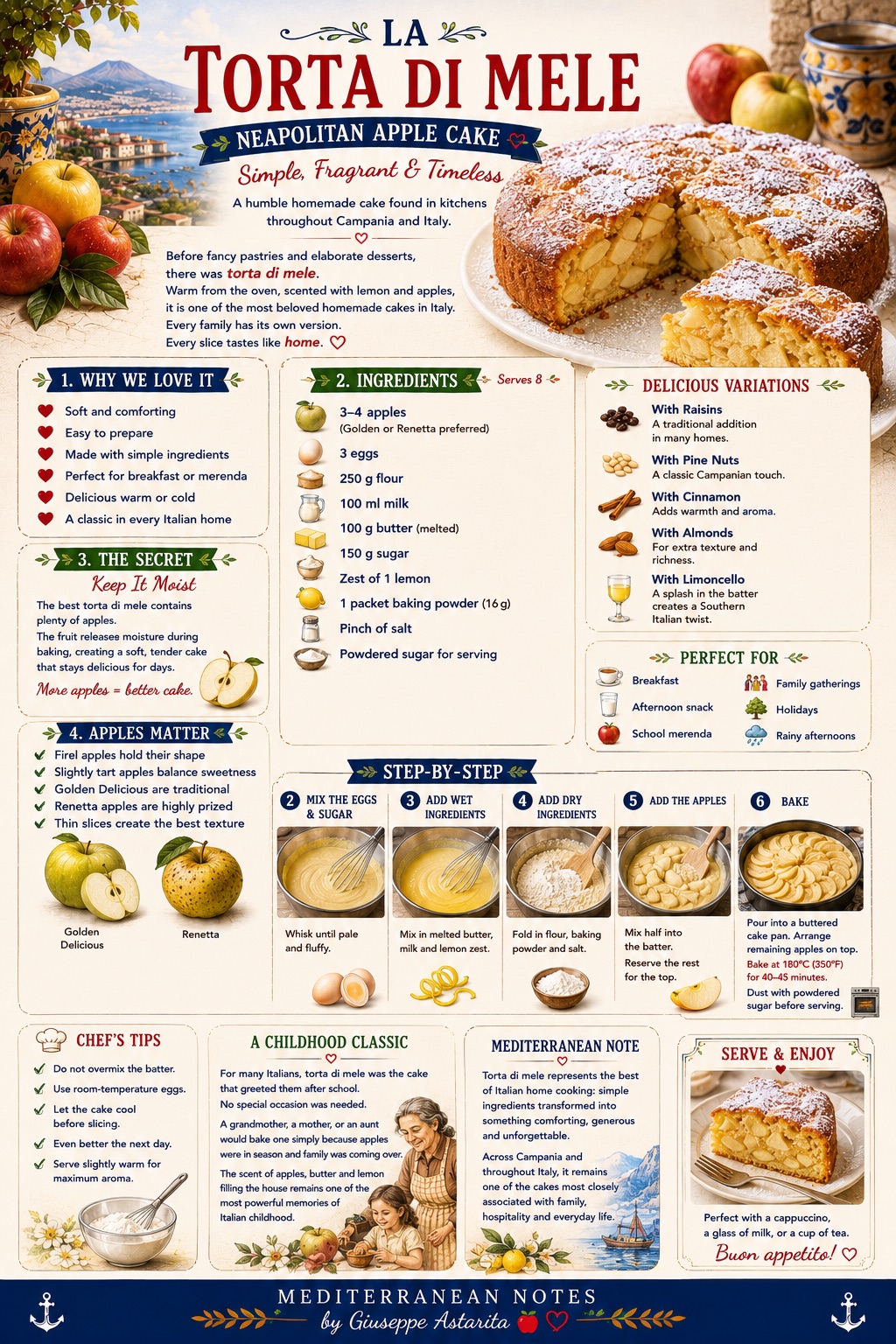
I make this for Anna and Carolina on weekend mornings. They eat it at breakfast with milk, and occasionally ask for a second slice, which I consider a correct response. My father would have approved of both of them for this reason. The cake is not elaborate and not trying to be. It is just the right thing for a morning when someone felt like baking, which is a sufficient reason to make anything.
Buona colazione — e non dimenticare la cannella.