Keep It Simple
The Campanian Philosophy of Cooking — Good ingredients. Restraint. Respect for tradition. That's where real flavor lives.
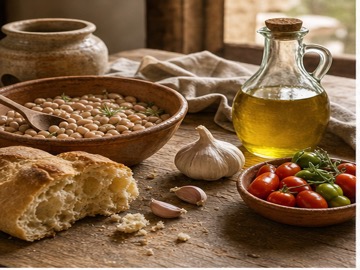
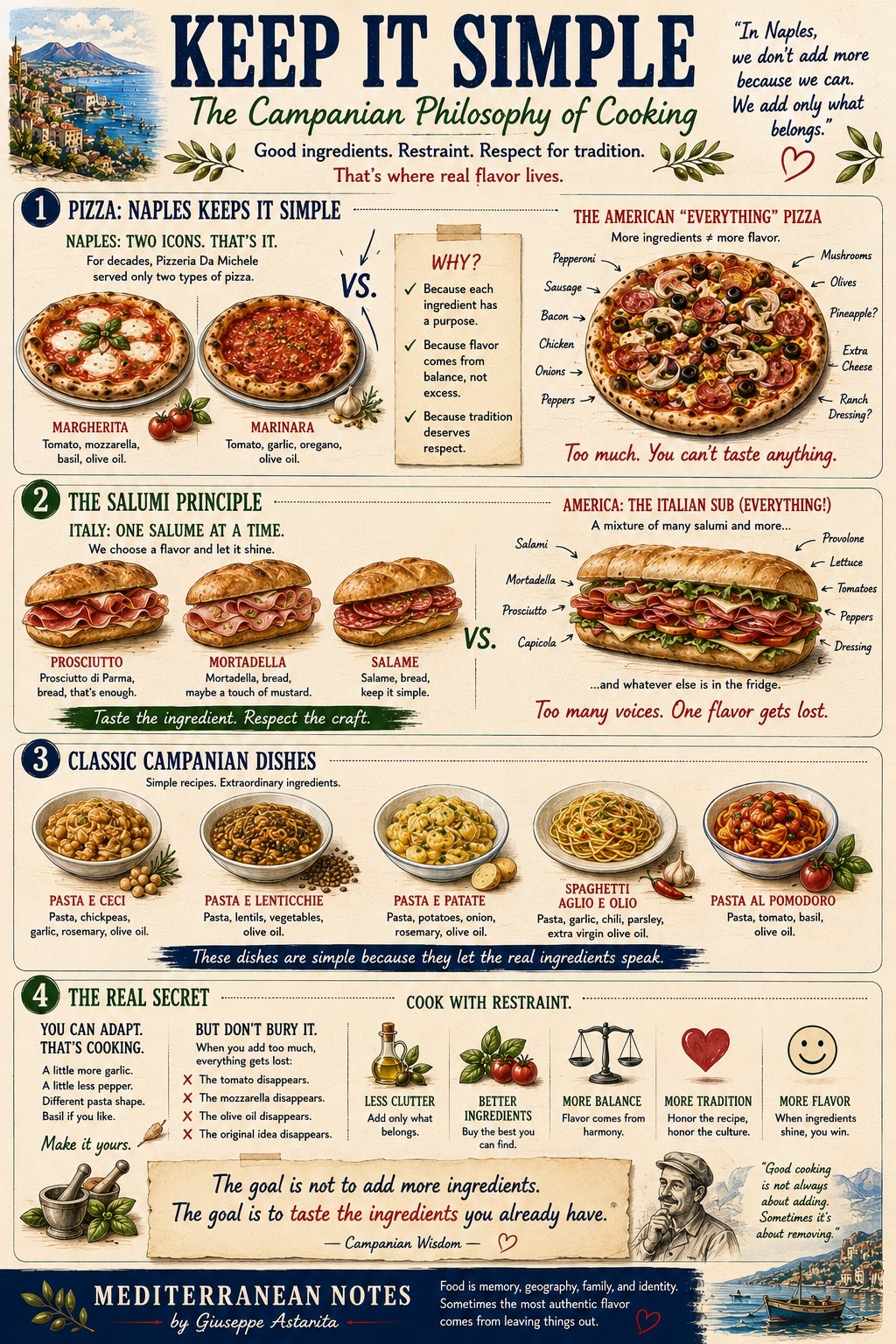
In Naples, we don't add more because we can. We add only what belongs. This is not minimalism as an aesthetic choice — it is a conviction about how flavor actually works, built over centuries of cooking with limited ingredients and learning which combinations were worth keeping. The goal is not to taste more things. The goal is to taste the ingredients you already have.
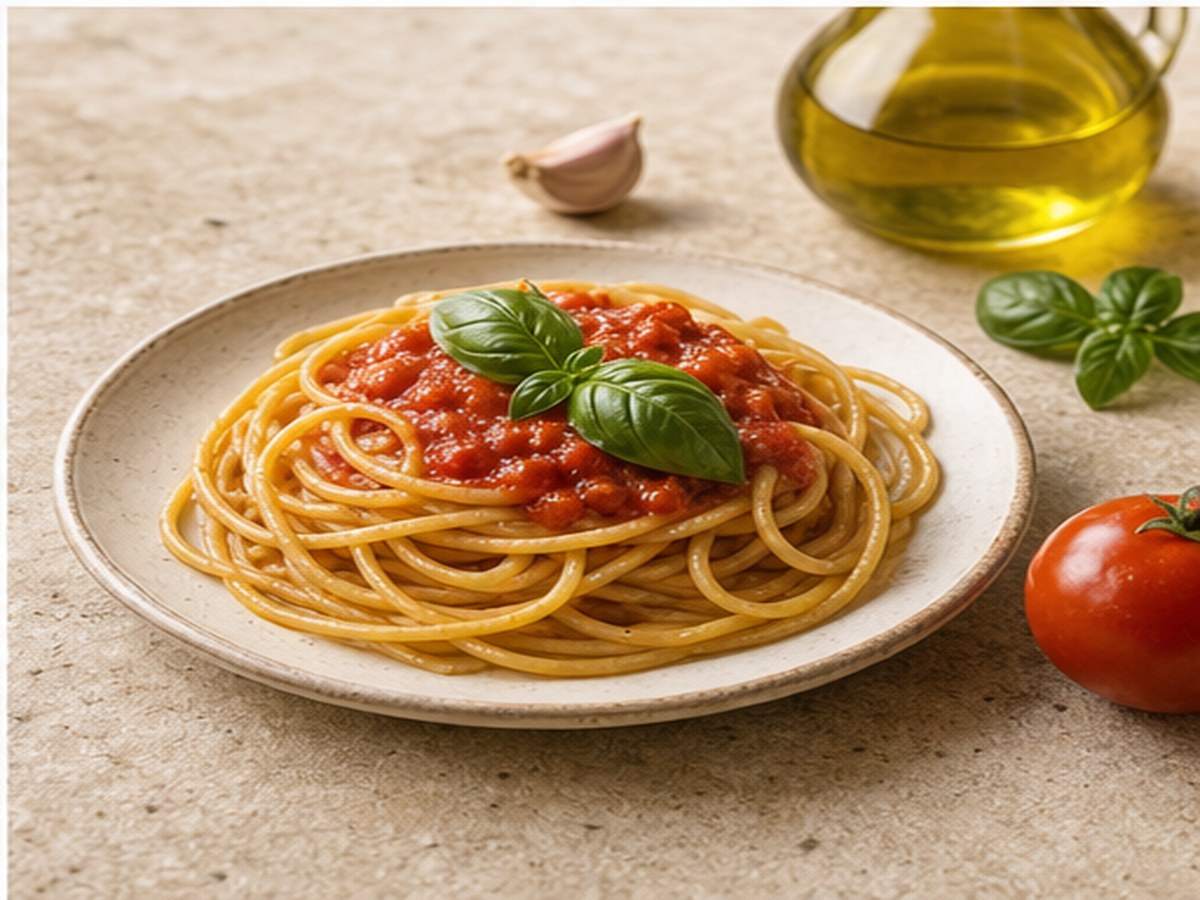
The goal is to taste the ingredients you already have."
— Campanian wisdom
Twenty years in the United States has given me a clear view of the difference between the Campanian approach to cooking and the American one, and the sharpest difference is not in which ingredients are used — it is in how many. The American culinary instinct is additive: more toppings, more flavors, more variety, more choice. The Campanian instinct is the opposite. Not subtractive, exactly — more like selective. The question is not what can I add but what belongs here. The answer is usually fewer things than you think.
Pizzeria Da Michele — the case for two pizzas
For decades, Pizzeria Da Michele on Via Cesare Sersale in Naples served only two types of pizza: the margherita and the marinara. Not six. Not twenty with seasonal specials and rotating toppings. Two. The margherita: tomato, mozzarella, basil, olive oil. The marinara: tomato, garlic, oregano, olive oil. No mozzarella on the marinara — it does not need it, and adding it would change what the marinara is. These two pizzas are the entire Neapolitan pizza tradition expressed in its most essential form, and for a long time Da Michele served nothing else.
Marinara Tomato, garlic, oregano, olive oil. No cheese — the garlic and oregano are the flavor. Adding mozzarella would not improve it. It would make it into something else with a different name.
The Neapolitan pizza is not simple because the Neapolitans lacked imagination. It is simple because the Neapolitans understood that flavor comes from balance, not excess — that each ingredient has a purpose, that adding more beyond that purpose does not intensify the dish but dilutes it. Da Michele's choice to serve only two pizzas was not a limitation of the menu. It was a statement about what pizza is. When the ingredient quality is high and the proportions are right, nothing more is needed. The restraint is the craft.
The salumi principle — one at a time
The Italian-American "Italian sub" — a large roll stuffed with salami, mortadella, prosciutto, capicola, provolone, lettuce, tomatoes, peppers, olives, and dressing — does not have an Italian equivalent in the way it is usually understood. In Italy, we eat one salume at a time. A panino with prosciutto di Parma is a prosciutto panino: the bread, the prosciutto, maybe a little butter or olive oil, perhaps a few leaves of something green. That is the whole thing. The prosciutto is the point. You are there to taste the prosciutto — its specific curing, its specific fat, the specific way it was aged. Putting mortadella alongside it means you are tasting neither properly.
Mortadella Bread, mortadella, maybe a touch of mustard. The mortadella's specific flavor of pistachios and spiced pork fat is the whole point.
Salame Bread, salame, keep it simple. Each salume has its own personality. Let it speak.
Each individual salume is interesting. Together they become a single undifferentiated flavor of cured meat. Too many voices; one flavor gets lost — specifically, all of them get lost.
This is not snobbery about the Italian sub — it is a description of what happens when you stack flavors rather than feature them. The Italian sub tastes good. It is generous and satisfying and Americans enjoy it for good reasons. But it does not taste like prosciutto, and it does not taste like mortadella, and it does not taste like salame. It tastes like all of them together, which is a different thing. The Campanian approach is to choose a flavor and let it shine. That choice is the cooking.
Ammesca Francesca — when mixing is the point
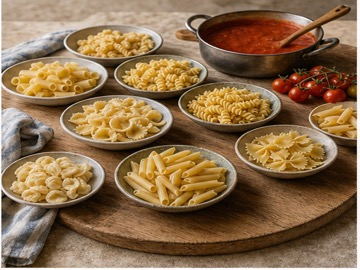
The concept is important precisely because it acknowledges that mixing sometimes has a legitimate purpose. The pasta ammescata — the cooked-together leftovers, the broken pieces of different shapes combined in the same pot — is a real tradition and a good dish. The soups in this collection that use whatever vegetables are available, the frittata di pasta made from yesterday's spaghetti, the leftover ragù reheated on Monday with whatever pasta is in the cupboard — these are all forms of creative mixing, and they are part of the Campanian kitchen as much as the careful simplicity of the margherita. The difference is the starting point. The pasta ammescata begins from necessity: you mix because that is what you have. The eighteen-topping pizza begins from abundance: you add because you can. One is creative intelligence working within constraints. The other is the absence of constraints mistaken for creativity.
A note on the recipes in this collection
Human taste and olfactory perception have real capacity limits. When too many flavor compounds are present simultaneously, the brain's ability to process distinct aromatic profiles is overwhelmed — a phenomenon called flavor masking or olfactory fatigue. In practice, adding more ingredients does not sum their individual contributions but instead compresses them into an undifferentiated mass that registers as "strong" rather than "complex." The specific aromatic compounds that make San Marzano tomato different from other tomatoes — the particular balance of glutamic acid, volatile esters, and lycopene-adjacent compounds — require a relatively quiet sensory environment to be perceived distinctly. Surround them with pepperoni, sausage, mushrooms, and ranch dressing and you lose them entirely. You are no longer eating San Marzano tomatoes. You are eating toppings. The Campanian restraint around ingredients is not tradition for tradition's sake — it is accurate sensory knowledge about how flavor is actually perceived.
The recipes in this collection — more than a hundred of them, from the ragù that simmers all Sunday to the pane olio e limone that is four ingredients and ten minutes — are built on the same principle. The sugo al pomodoro has tomato, garlic, oil, basil. The pasta aglio e olio has pasta, garlic, oil, parsley, chili. The mozzarella di bufala is mozzarella, olive oil, salt. Each dish has the number of ingredients it has because that is the correct number for the flavor it is expressing. Not because nobody thought to add more. Because somebody thought about it and decided not to.
This is the Campanian philosophy of cooking. Not a set of rules — a way of listening to what a dish is trying to be, and then getting out of its way.
In Naples, we don't add more because we can.
We add only what belongs.
— e quello basta.