Insalata di Carciofi alla Napoletana
Artichokes dressed warm — garlic, olive oil, lemon, parsley
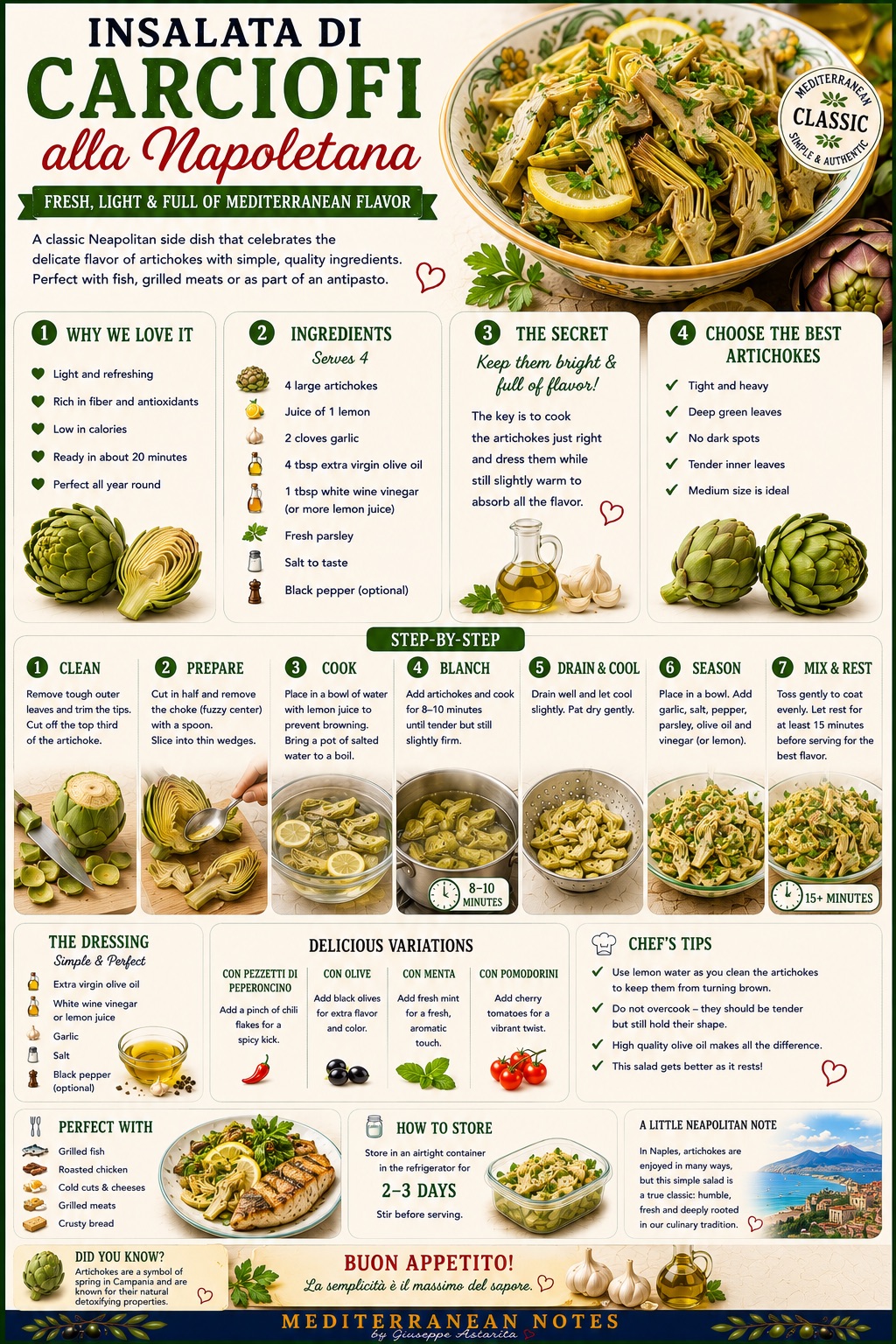
The artichoke cleaned properly, cooked just until tender but still firm, then dressed while still warm with garlic, olive oil, parsley, and lemon. Not a pasta filling or a risotto base — the artichoke as itself, as a side dish. Better after resting. Better the next day.
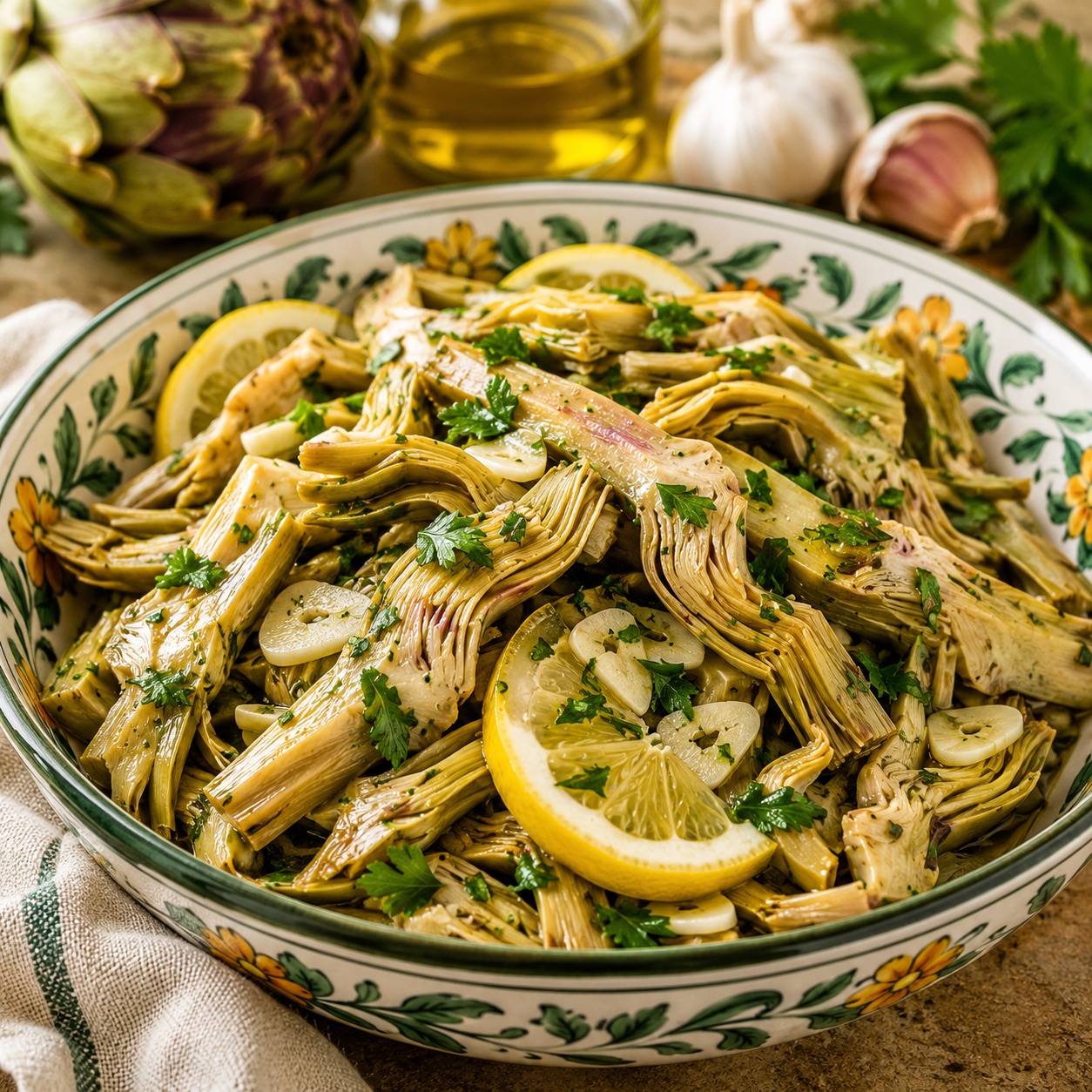
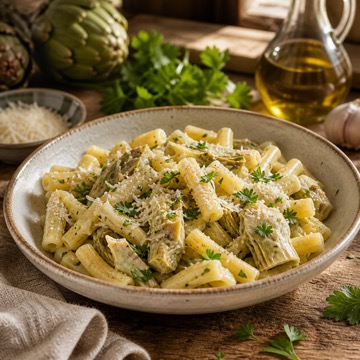
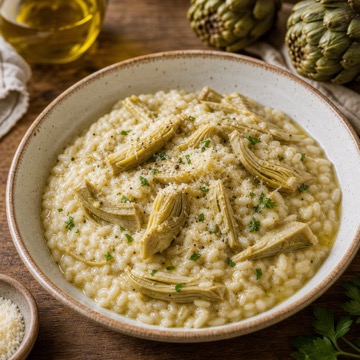
There is a version of the artichoke that belongs to long preparations — the pasta con carciofi, the risotto ai carciofi, the stuffed and braised treatments that take an hour or more and are the point of a meal. And then there is this version, which takes about twenty minutes and is not the point of a meal but the accompaniment to one: artichokes cleaned, sliced into wedges, cooked in salted water until tender, and dressed while still warm with the standard Neapolitan dressing of garlic, olive oil, and acid. Simple and direct. The artichoke is not transformed here — it is just dressed, so that what you taste is the artichoke, which is what you should taste.
The cleaning is the same as always — outer leaves peeled back until the pale interior appears, choke removed, stem peeled to the white core — and the lemon water bath is not optional. A cleaned artichoke left in the air for two minutes turns grey. In lemon water it stays pale and the phenolic compounds that would otherwise oxidize remain available for consumption. The cooking time is short: 8 to 10 minutes in boiling salted water, until a knife meets no resistance at the thickest part of the heart but the wedge still holds its shape. Overcooked artichokes dress poorly — they collapse and turn mushy rather than absorbing the dressing cleanly. Firm but tender is the target.
Dress the artichokes while they are still warm. A warm vegetable absorbs dressing differently from a cold one: the surface is more porous, the oil penetrates rather than sitting on top, and the garlic begins to mellow immediately in the residual heat rather than staying raw and sharp. The rest period — at least fifteen minutes, ideally thirty — is when the dressing becomes part of the artichoke rather than something on top of it. This is the principle behind every dressed vegetable in the Neapolitan kitchen and it applies here as clearly as anywhere.
The browning of cut artichokes is caused by polyphenol oxidase, an enzyme that catalyzes the oxidation of phenolic compounds — primarily cynarin and chlorogenic acid — into brown quinone compounds when exposed to oxygen. Cold water alone slows this reaction; acidified water (lemon juice or vinegar) lowers the pH below the enzyme's optimal range and inhibits it more effectively. This preserves both the pale color and the concentration of the beneficial phenolic compounds that would otherwise be lost to oxidation. Cynarin is the compound responsible for the artichoke's distinctive palate effect: it temporarily blocks sweet taste receptors, making the next thing you eat or drink taste sweeter than it is — water tastes sweet, wine tastes fruity, lemon tastes milder. This is why wine pairing with artichoke is notoriously difficult, and why a cold glass of water after eating this salad will taste slightly sweet.
The recipe
Serves 4. Use firm, fresh artichokes — tight leaves, no dark spots. Medium size is ideal. A mandoline or very sharp knife for slicing thin is helpful but not required.
Buon appetito.