Cervella in Padella
Pan-fried brains — blanched, breaded, golden in butter. Cooked for us as children because they were “good for the brain.” A dish recorded here as history, not homework.
Cervella was good for the brain. That was the entire theory, stated with complete confidence: you eat brains, you feed your brain. My mother cooked cervella in padella for us as kids for exactly this reason — alongside liver for the blood and horse meat for the iron, it completed a kind of anatomical meal plan in which each organ you ate strengthened the corresponding organ you owned. There was always a reason, and the reason was always us, the children, growing.
Let me be clear about why this post exists: not as a recommendation. Today nobody would advise feeding brains to children, and this dish has all but vanished from home kitchens. But it was real, it was common, and it was cooked with love and conviction in our house and thousands of others. This blog is partly a recipe collection and partly a record of how eating changes — what a Neapolitan table looked like forty years ago, what beliefs set the menu, and how quietly those beliefs were retired.
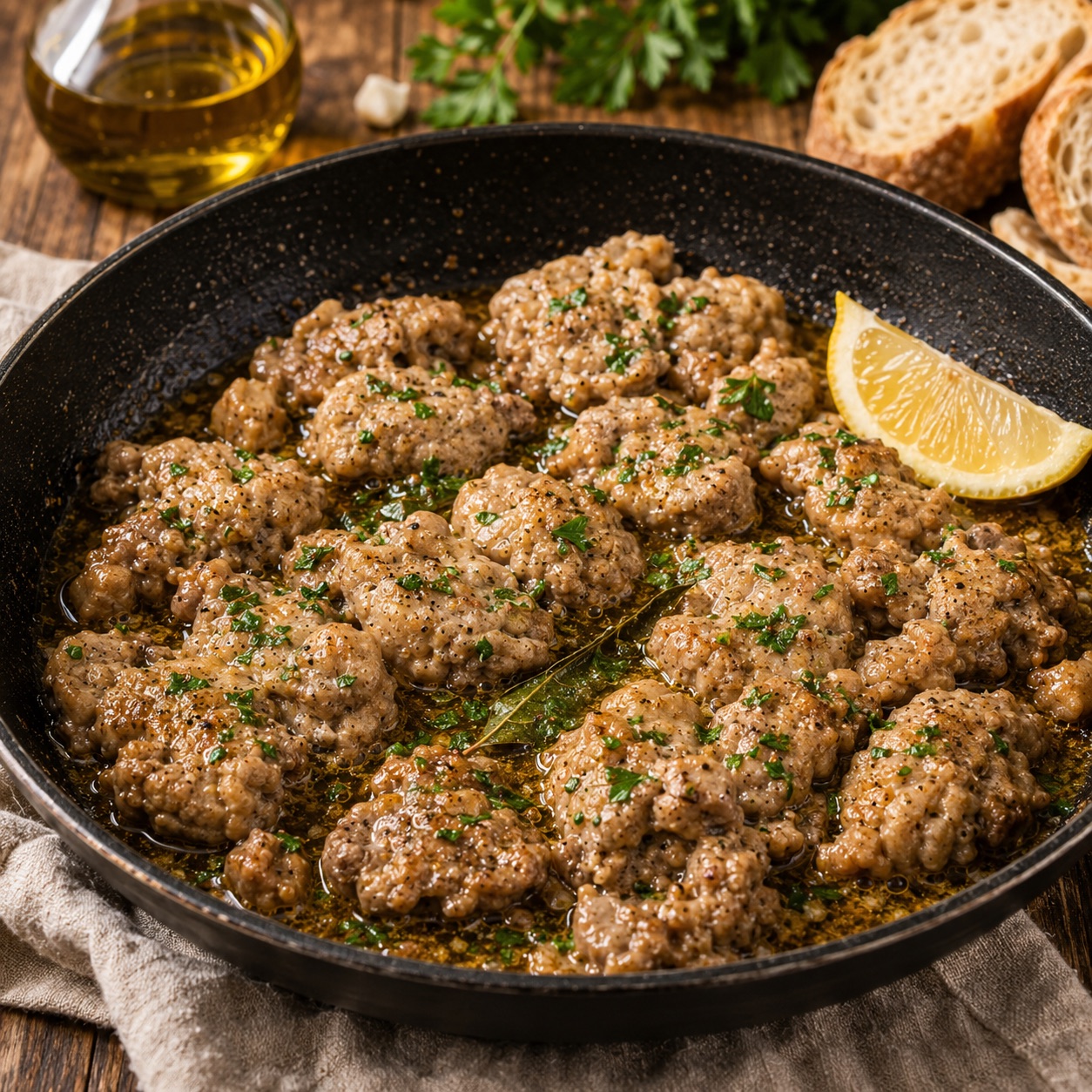
As cooking, it is genuinely delicate work — closer to pastry than to butchery. The brains are soaked in cold water to purge them, the thin membrane is slipped off under a running tap, and then comes the step that decides everything: a five-minute blanch in salted water with vinegar or lemon. Skip it and the result is too soft to handle; do it and you get something firm enough to flour, dip in egg, coat in breadcrumbs and fry in butter for two or three minutes a side. The texture inside stays creamy — that is the whole point of the dish — and the outside goes golden and crisp. Lemon, parsley, eaten hot, immediately.
The folk logic was not entirely invented: brain tissue is extraordinarily rich in lipids — phospholipids, cholesterol, DHA — the very molecules a developing brain is built from, which is presumably how the intuition arose. But eating an organ does not route its components to your matching organ, and the modern ledger added entries the tradition could not have known: very high cholesterol content, and — after the BSE years — a categorical caution around ruminant nervous tissue that effectively ended the dish’s career in many countries. The mothers reasoned from resemblance; we reason from risk tables. Both were doing their best with the science of their day.
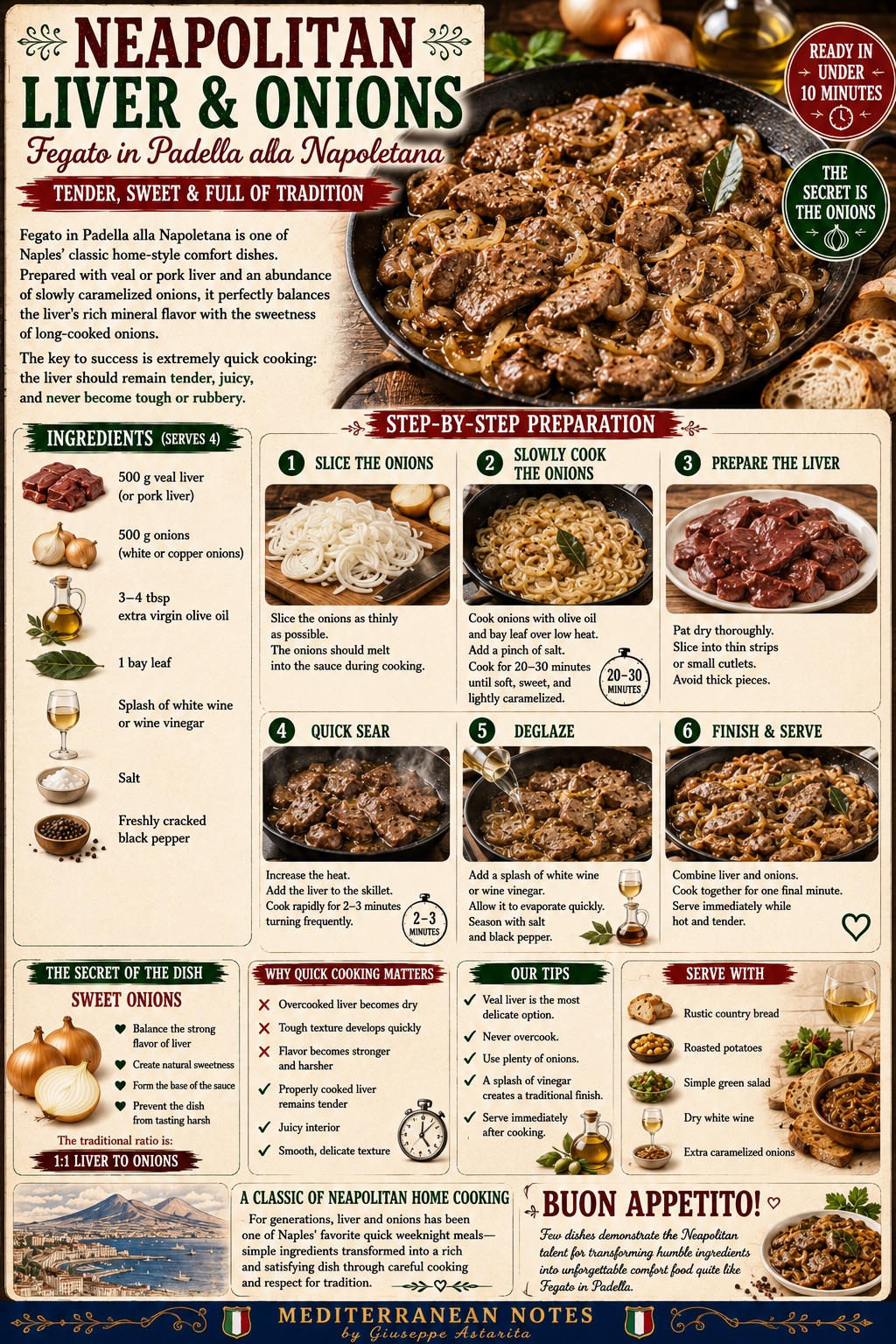
Cervella in Padella — cleaning, the essential blanch, breading and the butter fry, step by step.
The Recipe
Serves 4 · ready in under 15 minutes after the soak — recorded here as tradition
- 500 g veal brains (lamb or pork in other houses)
- Flour and breadcrumbs
- 2 eggs, beaten
- Butter (or seed oil) for frying
- Lemon or vinegar, for cleaning and blanching
- Salt and black pepper
- A pinch of nutmeg (optional)
- Fresh parsley and lemon wedges, to serve